Brand Is the Core IP Asset for Food and Beverage Startups
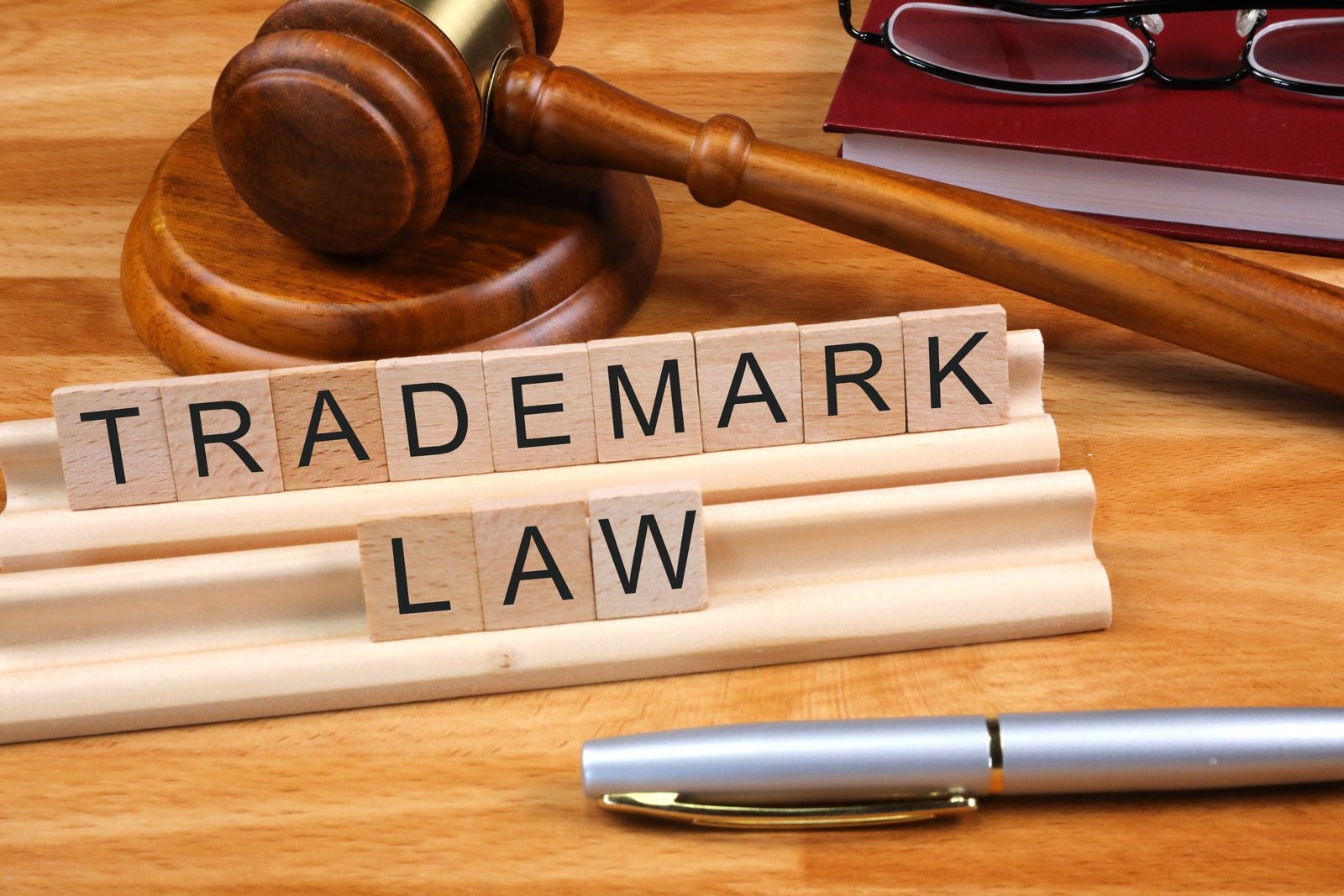
In the food and beverage sector, brand recognition is the primary driver of consumer purchasing decisions and the foundation of long-term business value. A distinctive brand name, logo, packaging design, and consistent visual identity create the emotional connection and quality expectation that drives repeat purchase. For food and beverage startups, trademark protection is not optional - it is the most essential IP investment from day one.
Trademark Strategy for Food Brands
Food and beverage trademark strategy requires careful class selection. Products may span multiple Nice Classification classes: packaged food products (Classes 29, 30, 31, 32), restaurant and food service (Class 43), catering services (Class 43), and health supplement products (Class 5). Filing in all relevant classes before launch is essential - a competitor who registers your brand name in a class you missed can prevent your expansion into that product category. The strongest food brand names are invented words or arbitrary uses of common words in unrelated contexts - Zomato, Swiggy, and Zepto are strong precisely because they have no pre-existing food-related meaning.
Recipe and Formulation Protection
Proprietary recipes and food formulations are among the most valuable and most vulnerable assets in a food startup. The Coca-Cola formula and KFC's secret recipe are trade secrets that have created lasting competitive advantages maintained for decades. For Indian food startups, maintaining recipes as trade secrets requires layered access controls: the complete recipe should be known only to the minimum number of people necessary for production; individual components can be sourced from different suppliers who know only their component; and production staff should work with pre-prepared ingredient packs rather than the full recipe. Document the recipe's development history with dates and creator names to establish trade secret status.
Packaging Design Protection
A food product's packaging communicates brand identity and quality positioning at the point of purchase. Original packaging designs are protected simultaneously by: industrial design registration (shape, configuration, pattern) under the Designs Act 2000; copyright in original artistic elements; and potentially trade dress as a non-conventional trademark. File design registration applications for distinctive packaging before the product launches. The application must include representations of the packaging in all required views and a statement of novelty. Conduct a prior art search before launching with new packaging - discovering a conflicting registered design after manufacturing a production run is expensive to rectify.
GI Tags and Regional Food Products
India has over 370 registered Geographical Indications, with food products accounting for a significant proportion. For food startups working with regional products, GI status creates powerful market differentiation and legal protection against misuse of the geographical name by producers from other regions. GI registration is a collective right typically filed by a producers' association. A food startup can work with existing associations to pursue GI registration, then register as an Authorised User (Form GI-2, Rs.10,000) to commercially use the tag on products.
Franchise IP Structuring
Building a franchise system requires assembling a comprehensive IP portfolio licensable to franchisees. The franchisor must own: registered trademarks in all relevant classes and planned geographies; documented and protected recipes; operations manuals and training materials; and trade dress of the restaurant or cafe format. Franchise agreements must include quality control provisions that the franchisor actively enforces - trademark licences without active quality control risk becoming naked licences, which can result in loss of trademark rights.
For complete brand protection including trademark registration, read the Brand Protection and Enforcement guide.
Building an IP-Ready Food Brand From Launch
The most IP-savvy Indian food brands build IP protection into every stage of brand and product development rather than retrofitting it after commercial success. At the naming stage, conduct a trademark clearance search before investing in brand development - the cost of a clearance search is trivial compared to the cost of rebranding after a market-establishing launch. At the product development stage, implement recipe access controls and documentation practices before the first batch is produced. At the packaging stage, file design registration applications before the packaging is shown to distributors or photographed for marketing. At the launch stage, enrol on Amazon Brand Registry and Flipkart Brand Hub simultaneously with the product listing. At the growth stage, set up systematic marketplace monitoring and consider customs recordation if counterfeit imports are a risk. Building these practices into the standard operating procedure means IP protection happens automatically as the brand grows, rather than being a crisis management exercise after infringement is discovered. For complete guidance, visit the Startup IP Hub.
Managing IP in a Multi-Product Food Portfolio
As a food or beverage startup grows from a single product to a portfolio of products across multiple categories, IP management complexity grows proportionally. Each new product may require new trademark registrations in different Nice classes, new design registrations for distinctive packaging, and new confidentiality protocols for new recipes or formulations. Building a product IP launch checklist - a standard procedure followed every time a new product is brought to market - ensures IP protection keeps pace with product development. The checklist should include: trademark clearance search for any new product name; trademark filing in all relevant classes before launch; design registration for packaging before market testing; recipe access control implementation before production begins; and brand registry enrolment on marketplaces simultaneously with product listing. For complete IP strategy guidance across all food and beverage IP topics, explore the Startup IP Hub.
Food Brand IP Quick Checklist
For every new product launch, confirm: trademark clearance search completed and trademark filed in all relevant classes; packaging design registration filed before any market testing; recipe access controls implemented with signed NDAs for all staff with recipe access; contract manufacturer or co-packer has signed a comprehensive NDA; Amazon Brand Registry and Flipkart Brand Hub enrolments submitted simultaneously with product listing; and DPIIT recognition in place for trademark fee rebates. For the complete IP checklist tailored to food brands, read the Founder IP Checklists guide.